Retail & brands
Fashion & apparel
Fashion sells on story, but it ships on logistics.
The short answer
A fashion or apparel website sells on story and closes on logistics. Shoppers want editorial product pages that make them want the piece, then size guidance, a delivery date, an honest returns policy and a checkout that simply works. For heritage and handloom brands, craft and origin details are part of the product, not decoration.
Must-haves, and why
Editorial product pages with detail shots and fabric close-ups the page has to do the work of the shop floor.
Size guidance with measurements, and fit notes wrong sizes are the main reason for returns.
A live delivery estimate especially for weddings and gifting dates.
A sticky buy bar on mobile the buy button stays in reach on long product pages.
Craft and origin details: weave, region, Handloom Mark, Silk Mark or GI tag where applicable proof for heritage textiles.
A real checkout with payment gateway, webhooks and order confirmation an order that isn't confirmed properly loses the sale and the customer.
Reviews from verified buyers only fake reviews undermine every real one.
An FAQ beside the product for the questions buyers always ask it answers doubts at the moment of decision.
“Complete the look” or collection cross-sells it raises order value without pressure.
Return and exchange policy in plain words a clear policy makes the first order easier.
Authority & trust signals
Pages to build
Common mistakes
- Model shots only, no fabric or detail close-ups.
- No delivery date before checkout.
- Unverified reviews.
- A checkout that isn't really connected to payment and order emails.
- Craft claims with no origin or certification.
Our take · Aliasgar Barodawala
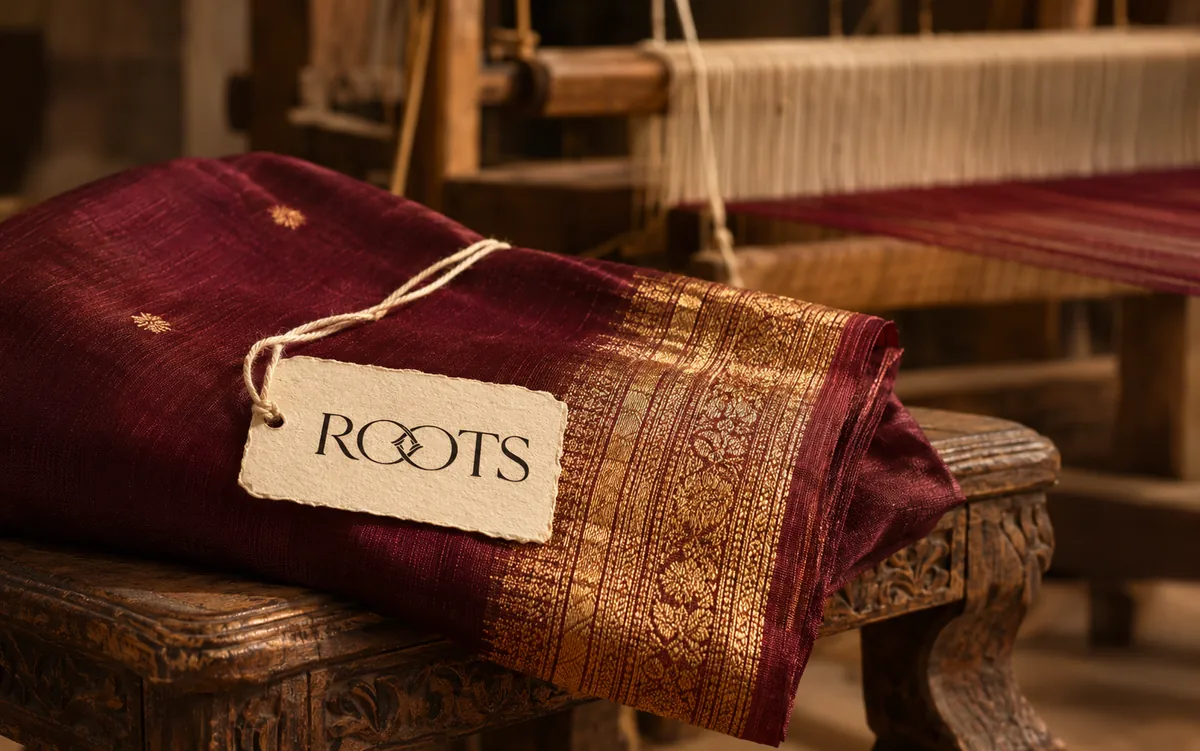
ROOTS is a heritage saree house, and its story is three sarees from three cities: Laal Banarasi from Varanasi, Sindoori Kanjeevaram from Kanchipuram and Raktima Paithani from Paithan. Behind that story is a real shop. The product page leads with breadcrumbs, a live delivery estimate and a sticky buy bar, answers doubts with a bride-focused FAQ, and closes on a “complete the collection” cross-sell.
Checkout runs end to end through Razorpay with webhooks, and reviews come only from verified buyers. A shopper can go from story to paid order without leaving the product page flow.
Brands named here are my own self-initiated concepts unless marked Client work. Paid client work is under NDA.
Brides and gift buyers ask the same five questions. An honest FAQ beside the product removes the hesitation.
From the work · ROOTS
- The brief
A heritage saree brand needed its craft story and a working checkout in the same site.
- What we did
Three sarees from three cities as the story, a live delivery estimate, a sticky buy bar, a bride-focused FAQ and Razorpay checkout end to end.
- What it does
Shoppers can go from story to paid order without leaving the product page flow.
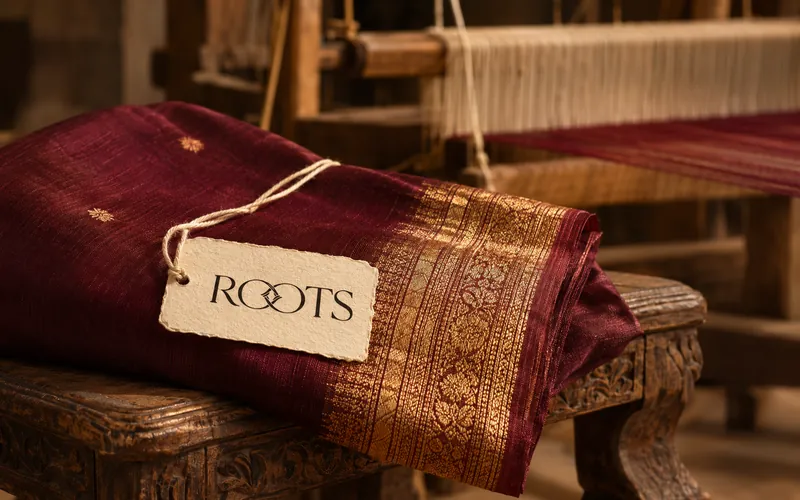 See the project · Fashion & Heritage TextilesROOTSHandwoven heritage saree brand: Banarasi, Kanjeevaram and Paithani, woven to orderA storefront for ROOTS, a handwoven saree brand with three sarees from three weaving cities: Laal Banarasi from Varanasi, Sindoori Kanjeevaram from Kanchipuram and Rakti…
Search terms worth owning
- #handloom sarees online
- #Banarasi saree
- #designer wear
- #ethnic wear
- #wedding sarees
- #buy sarees online
Questions people ask
What should a fashion e-commerce website include?
Editorial product pages, size guidance, a delivery estimate, a sticky buy bar on mobile, verified reviews, a real checkout and a clear returns policy.
How should a handloom or saree brand prove authenticity?
Name the weave and region, show the Handloom Mark, Silk Mark or GI details where they apply, and tell the maker's story with real photos.
Should a fashion site show a delivery date?
Yes, before checkout. For weddings and gifts, the date often decides the purchase.
What payment gateway should an Indian fashion store use?
Any reliable gateway works, such as Razorpay, as long as it's connected with webhooks so orders, payments and emails stay in sync. ROOTS runs checkout end to end through Razorpay.
How do fashion brands rank on Google?
Category pages with unique text, product pages with structured data, journal or story content around occasions and craft, and fast mobile pages.
How fast should a fashion website be?
Aim for 90 or more on Google PageSpeed for mobile, with image-heavy pages optimised in WebP or AVIF.
Five questions every bride asks
Answer them beside the product, not on a separate FAQ page.
Will it arrive before my date?
Is it genuine handloom?
How does the colour look in daylight?
Can I return or exchange it?
Is a blouse piece included?
Technical SEO for fashion
Fashion search is visual and specific.
- Product schema with offers, size and colour variants
- Category pages by fabric, weave and occasion
- Descriptive alt text naming fabric and colour
- Canonical tags on filtered collections
- Lazy-loaded galleries with responsive images
Updated 7 Nov 2026 · Aliasgar Barodawala