Technology
Web3 & crypto
The audience is fluent and sceptical. Any vagueness reads as risk.
The short answer
A Web3 or crypto website talks to a fluent, sceptical audience, where any vagueness reads as risk. It needs one crisp primary action, such as swap or connect wallet, linked audits and documentation, verified contract addresses, tokenomics in plain numbers and clear risk disclosures. The visual style can be loud; the facts and the main action must not be.
Must-haves, and why
A crisp primary action on every screen: swap, connect wallet, launch app users come to do one thing.
Audit reports linked, with auditor and date audits are the first trust check in DeFi.
Verified contract addresses, with a warning about fake tokens fake tokens are a constant risk.
Tokenomics in plain numbers: supply, allocation, vesting vague numbers read as hidden risk.
Documentation and a “how it works” section in three steps new users need to understand the product before connecting a wallet.
Team or foundation details anonymous teams raise risk for users.
Risk disclosures in plain words users should know what they can lose.
In India, FIU-IND registration for virtual digital asset service providers, where it applies it is required for virtual digital asset service providers.
Official community links only, to protect users from scams scammers copy community channels.
Authority & trust signals
Pages to build
Common mistakes
- Hype with no numbers.
- No audit or an audit hidden in a repository.
- Contract addresses missing, which invites fake tokens.
- Effects that bury the main action.
- Unofficial community links.
Our take · Aliasgar Barodawala
SwapDrop is a DeFi token-swap brand. I built the landing page and every inner page from design screens, 25 pages in all, and the brief was to look native to Web3 without losing the main action. Moving binary fields, a liquid-lens shader and labels that “decrypt” into place set the tone, while the swap button stays crisp on every screen, with a sticky call to action and a Connect wallet window always close.
Beyond the screens, I added two sections the audience expects: a three-step “how a swap works” and a dark security section with slots for audits and partners. Visual style can be loud; the main action must stay obvious on every screen.
Brands named here are my own self-initiated concepts unless marked Client work. Paid client work is under NDA.
Visual style can be loud; the main action must stay obvious on every screen.
From the work · SwapDrop
- The brief
A DeFi swap brand needed to look native to Web3 without losing its main action.
- What we did
A crypto-style landing page and every inner page built from design screens, with the swap CTA crisp on every screen.
- What it does
Fluent in Web3, with the swap button always obvious.
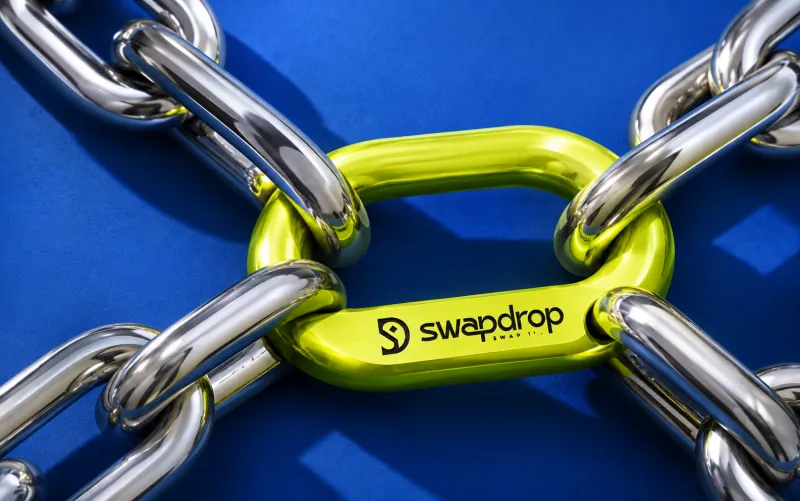 See the project · Web3 & DeFiSwapDropMulti-chain token swap and rewards platformA website for a DeFi swap layer that makes a complicated product feel simple. Visitors watch a swap happen before they read a word, understand routing, security and Drop…
Search terms worth owning
- #DeFi swap
- #crypto exchange
- #Web3 platform
- #token swap
- #blockchain
- #decentralised exchange
Questions people ask
What should a crypto or DeFi website include?
A clear primary action, how it works, tokenomics, audits, verified contract addresses, documentation, team details, risk disclosure and official community links.
Do crypto platforms in India need to register?
Virtual digital asset service providers in India must register with FIU-IND under the Prevention of Money Laundering Act. Show the registration where it applies.
How should a Web3 site show audits?
Link each audit report with the auditor's name, date and scope, and note any issues and how they were fixed.
How do I protect users from fake tokens and phishing?
Publish the official contract addresses and community links on the site, and warn users never to share seed phrases.
Can a Web3 site be visually bold and still fast?
Yes. Load shaders after the content, keep the swap button in HTML and check Core Web Vitals on mobile.
How do Web3 projects rank on Google?
Clear explainer pages, documentation that is indexable, and Organization and SoftwareApplication structured data.
Trust signals Web3 users check
Experienced users look for these within seconds.
- Audit reports with dates
- Official contract addresses
- Tokenomics and vesting
- Team or foundation details
- Official community links
Technical SEO for Web3
Web3 search mixes explainers and brand queries.
- Indexable explainer and docs pages
- Organization schema with sameAs for official channels
- Shaders loaded after main content
- The main action in HTML, not canvas
- Strict security headers
Updated 7 Nov 2026 · Aliasgar Barodawala